
Water Damage Drying in New Orleans When the Street Outruns the Pumps
Drying arranged against the clock the EPA sets, with the equipment sized for air that is wetter outside the house than in it.
Water Damage Drying quote in New Orleans
Tell us what you can see or smell, roughly where in the house it is, and whether the house is raised or on a slab. Those three things narrow it more than the size of the patch does, because they point at how the water is arriving rather than where it ended up.
Would you rather talk it through? Call (315) 640-3590.
$100 off your first job
Credited by us on your first booked job.
- One credit per customer per property, on your first booked job.
- Valid through December 31, 2026.
Mention this offer when you book. Full terms.
Drying New Orleans rooms inside the two day window
Get the water out and the building dry inside two days, because that is the window before growth starts, and in New Orleans a ground floor can get wet fast. The Sewerage and Water Board says that once the system fills it moves about half an inch of water an hour, and that rain beyond an inch an hour will most likely outpace it. A cloudburst can therefore put water across a floor that no pipe ever touched. Water that came in off the street is a dirtier job than a burst supply line, and the drying plan starts by saying which one you have.
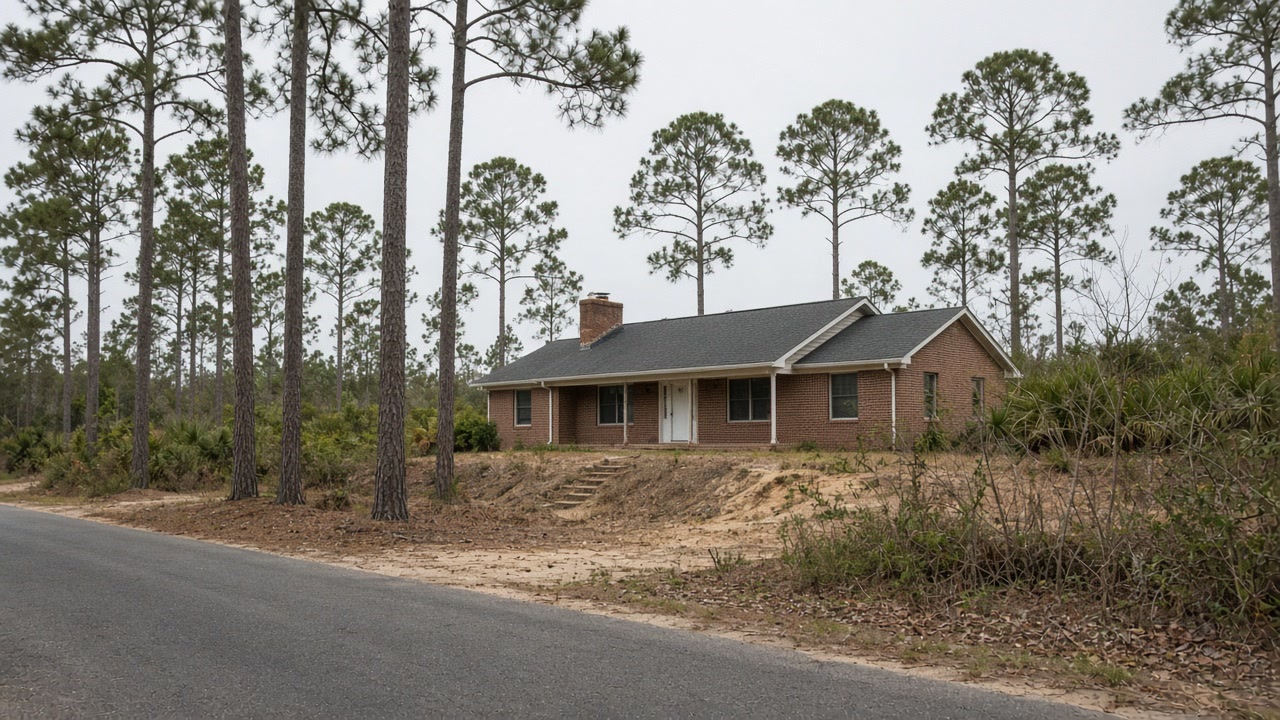
What water damage drying involves in New Orleans
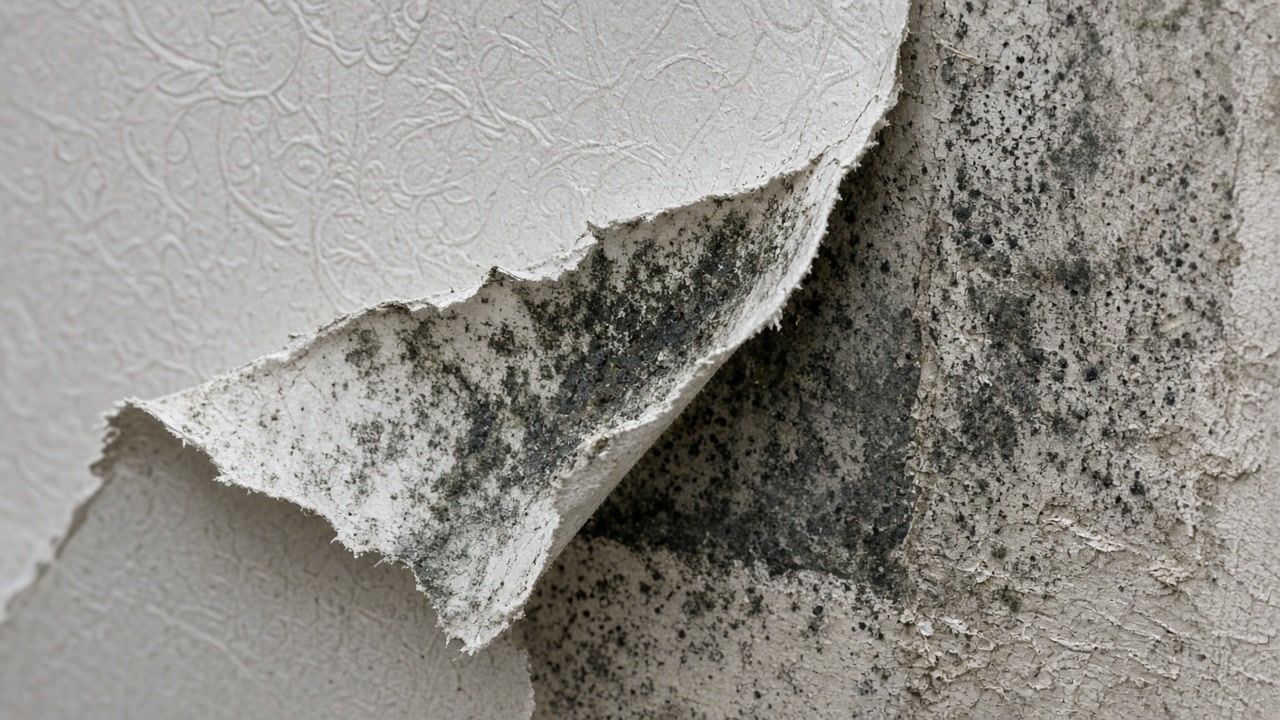
What to tell a New Orleans drying crew first
Do not open the windows to dry it. The outdoor air here carries a mean dew point of 75.2F in July, and at 6am the average relative humidity is 88 percent, so summer air brought into a wet room adds water rather than taking it away. Close up, run the air conditioning if it is safe to, and photograph everything before it moves. On a raised house, ask for the space underneath to be read as well as the floor above it.
Street water or a pipe
Rain that came in from outside carries whatever was on the street. A supply line leak is clean water at the start. They are dried and cleaned differently, so say which it was.
How long ago it happened
The EPA's guidance is that materials dried within 24 to 48 hours will in most cases not grow mold. Past that window, drying becomes drying plus a check for growth.
Whether the house is raised or on a slab
A raised house can take water underneath without it reaching the rooms. A slab takes it straight onto the floor. The equipment and the readings differ.
What the Sewerage and Water Board says its pumps can move
The Sewerage and Water Board of New Orleans states that once the system fills it can move about half an inch of water every hour, and that rainfall exceeding an inch of water in an hour will most likely outpace the system's capability.
Source: Sewerage and Water Board of New Orleans, Drainage System Facts, accessed 2026-09-22
The same utility reports 120 pumps housed in 24 drainage pump stations, 99 of them dedicated to drainage, more than 68,000 catch basins, 1,500 miles of lateral underground drainage pipes and 200 miles of open and underground canals, and states that fully running the drainage system takes 52 megawatts of power.
Source: Sewerage and Water Board of New Orleans, Drainage System Facts, accessed 2026-09-22
New Orleans records 7,629 National Flood Insurance Program multiple loss properties, more than the other fifteen places in this service area put together. 1,294 of them are classed severe repetitive loss, 2,576 have four or more paid losses, 6,488 were built before the community's first flood insurance rate map, and 2,227 sit outside the mapped high risk flood zone. Together they account for 27,117 separate losses.
Source: Federal Emergency Management Agency, OpenFEMA dataset NFIP Multiple Loss Properties, data as of August 2, 2026, accessed 2026-09-22
The EPA advises drying wet materials within 24 to 48 hours. In New Orleans the outdoor air in that window carries a mean dew point of 75.2F in July and 75.1F in August, with mean relative humidity of 88 percent at 6am, so outdoor air brought into a wet building in summer adds water rather than removing it.
Source: NOAA National Centers for Environmental Information, 2023 Local Climatological Data Annual Summary with Comparative Data, NEW ORLEANS, LOUISIANA (KMSY), WBAN 12916, accessed 2026-09-22
The EPA states that wet or damp building materials and furnishings should be cleaned and dried within 24 to 48 hours to prevent mold growth, and that if wet or damp materials or areas are dried 24 to 48 hours after a leak or spill happens, in most cases mold will not grow.
Source: United States Environmental Protection Agency, accessed 2026-09-22
Is the water still standing?
Tell us how deep, which rooms and when it came in. The clock started then, not when someone arrives.
After New Orleans drying: an assessment or a removal
New Orleans flooding and drying questions
The pumps were running and the street still flooded. Is something broken?
Not necessarily. The utility's own figures are that the system moves about half an inch an hour once it fills, and that more than an inch an hour will most likely outpace it, even with 120 pumps across 24 stations. An hour of hard rain can exceed what any of that was built to remove. What matters for your house is how quickly the wet materials are dried afterwards.
We are outside the flood zone. Why did water get in?
Being off the map does not settle it here. New Orleans records 7,629 federal multiple loss properties, and 2,227 of them sit outside the mapped high risk zone. If water has come in before, tell us, because a room that has been wet twice needs its walls opened and read, not just its air dried.
Send the New Orleans rooms that got wet
Photos first, before anything is moved. A person reads it and arranges drying sized to the house.