
Orleans Parish
Mold Removal in New Orleans, Where the Cooled Wall Is the Wet One
Tell us the street, whether the house is raised or sits on a slab, and what the room smells like, and we will say whether this is an assessment, a removal, a drying job or nothing worth paying for. Nearly a third of New Orleans homes were finished in 1939 or earlier against 6.1 percent across Louisiana, and in stock that old the wet surface is usually one the air conditioning made rather than one the rain found.
Request a quote in New Orleans
Tell us what you can see or smell, roughly where in the house it is, and whether the house is raised or on a slab. Those three things narrow it more than the size of the patch does, because they point at how the water is arriving rather than where it ended up.
Would you rather talk it through? Call (315) 640-3590.
$100 off your first job
Credited by us on your first booked job.
- One credit per customer per property, on your first booked job.
- Valid through December 31, 2026.
Mention this offer when you book. Full terms.
Safety and Permits, and the papering that needs no permit at all
Permits come from the Department of Safety and Permits, and because the city and Orleans Parish are one and the same jurisdiction there is a single office to deal with rather than a city and a parish disagreeing about your address. The city's own guide says a permit is needed to construct, enlarge, alter, repair, move or demolish a structure, and that interior painting, papering and similar finish work is exempt. That exemption is worth reading twice on a mold job, because the LSU AgCenter's advice for this climate is explicit that a wall here has to be able to dry inward and that vinyl wallpaper and oil-based interior paint are exactly what stops it, and both of those go up without anyone inspecting them. Where the work will exceed 50 percent of the value of the structure, the application also asks for a benchmark certificate from a registered land surveyor, stamped within the last six months, so a large removal attached to a rebuild is a longer road than a small one. If it is not obvious which side of that line your job falls on, the city tells you to ask the Building Division before you start rather than after.
Areas within New Orleans: Lakeview, Gentilly, Mid-City, Uptown, Carrollton, Algiers, Bywater, New Orleans East
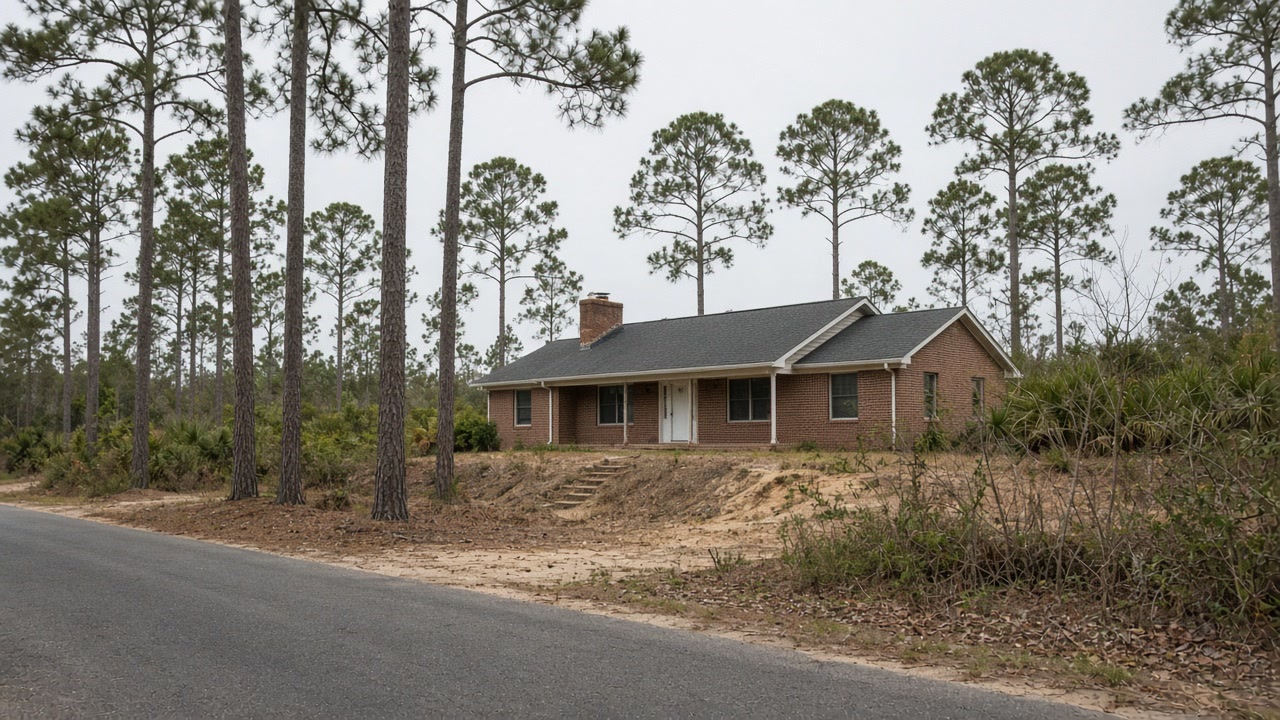

Raised over open space, or flat on a slab?
Those are two different faults in two different places, and the answer changes where we look first. Tell us which one you have and roughly when the smell started.
Lakeview to the Bywater: what we arrange in New Orleans
Mold Assessment and Moisture Survey
Find out where the water is arriving, whether the wall is leaking or condensing, and whether there is a mold job here at all, in writing, from a company that is not the one selling you the removal.
Mold Assessment in New Orleans →Mold Removal and Remediation
Get the affected material out under containment, take the cause out with it, and have the work priced against a written scope that the removal firm did not write.
Mold Removal in New Orleans →Water Damage Drying and Flood Cleanup
Water out and the structure dried to a measured reading inside the 24 to 48 hour window that decides whether the material stays or comes out.
Water Damage Drying in New Orleans →What pre-war New Orleans stock and the pump record tell an assessor
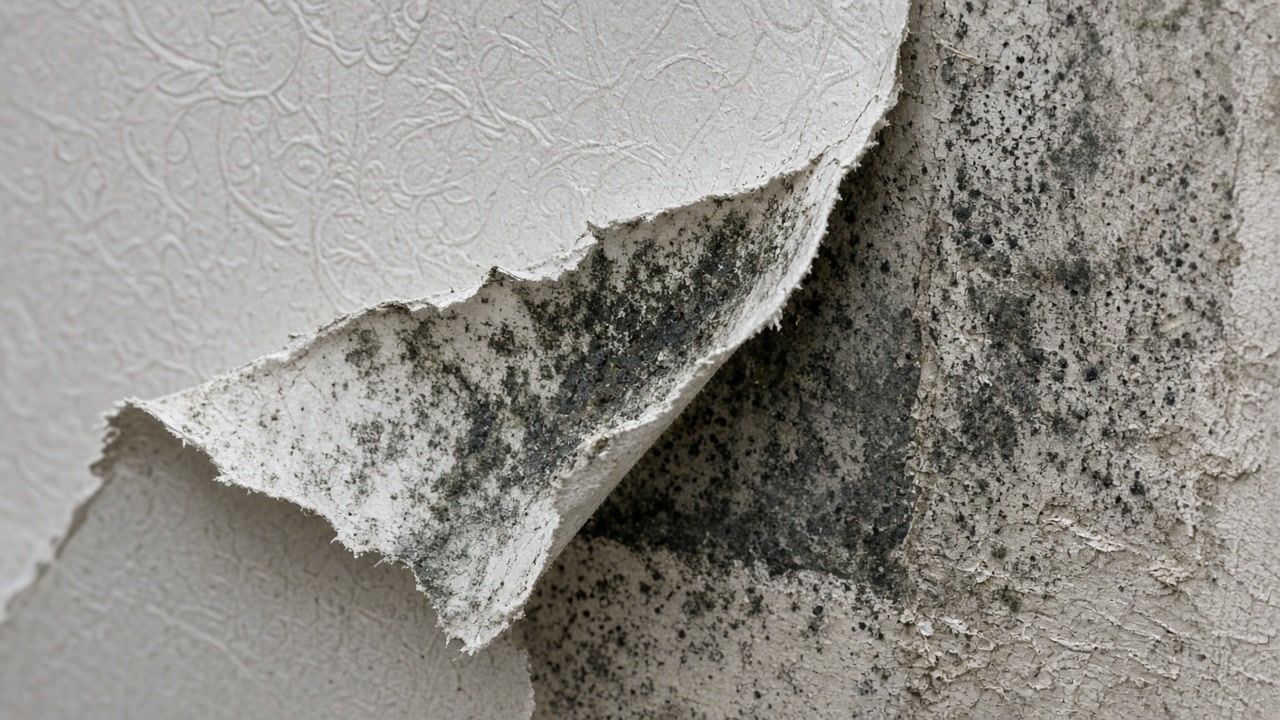
31.4 percent of New Orleans housing units, 61,327 of 195,552, were built in 1939 or earlier. The Louisiana figure is 6.1 percent and the national figure is 11.7 percent. No other place in this service area comes close: Gretna is next at 16.5 percent, then Arabi at 11.4 percent.
Source: United States Census Bureau, American Community Survey 2020-2024 five year estimates, accessed 2026-09-22
New Orleans has 195,552 housing units with a median year built of 1960. 61,327 of them, 31.4 percent, date from 1939 or earlier and 73.7 percent predate 1980. Only 46.0 percent of the stock is single family detached: 28,986 units sit in two unit buildings and 19,407 are single family attached, the shotgun doubles and row forms that share a party wall.
Source: United States Census Bureau, American Community Survey 2020-2024 five year estimates, accessed 2026-09-22
The City of New Orleans states that building permits are issued by the Department of Safety and Permits, that a permit is needed to construct, enlarge, alter, repair, move, demolish, or change the occupancy of a building or structure, and that interior painting, papering and similar finish work is exempt. The guide directs anyone uncertain about whether a permit is needed to call the Building Division.
Source: City of New Orleans, Guide to Building Permits, accessed 2026-09-22
The LSU AgCenter states that any moisture that gets in a wall must be able to dry to the inside, that the interior side of the wall should be as permeable as possible, and lists what that rules out: no vinyl wallpaper, no oil-based interior paints and no interior vapor barrier on insulation.
Source: LSU AgCenter, Bill Robinson and Claudette H. Reichel, Ideal Wall Assemblies for Hot-humid and Mixed-humid Climates, accessed 2026-09-22
The City of New Orleans building permit application requirements list a benchmark certificate completed by a registered land surveyor on the city's three-part form, with original seals, stamped and dated within the last six months, among the items required for new construction, additions, and renovations where the work will exceed 50 percent of the value of the structure.
Source: City of New Orleans, Department of Safety and Permits, Building Permit Application Requirements, accessed 2026-09-22
The city of New Orleans and Orleans Parish are coextensive. The American Community Survey returns identical housing figures for the two geographies: 195,552 units, median year built 1960, 61,327 units built in 1939 or earlier.
Source: United States Census Bureau, American Community Survey 2020-2024 five year estimates, accessed 2026-09-22
New Orleans records 7,629 National Flood Insurance Program multiple loss properties, more than the other fifteen places in this service area put together. 1,294 of them are classed severe repetitive loss, 2,576 have four or more paid losses, 6,488 were built before the community's first flood insurance rate map, and 2,227 sit outside the mapped high risk flood zone. Together they account for 27,117 separate losses.
Source: Federal Emergency Management Agency, OpenFEMA dataset NFIP Multiple Loss Properties, data as of August 2, 2026, accessed 2026-09-22
New Orleans and Orleans Parish, community 225203, are one and the same jurisdiction and hold Community Rating System Class 7, a 15 percent discount in the special flood hazard area and 5 percent outside it. The first flood insurance rate map took effect on October 19, 1971 and the current effective map dates from September 30, 2016.
Source: Federal Emergency Management Agency, National Flood Insurance Program Community Status Book, accessed 2026-09-22
The Sewerage and Water Board of New Orleans states that once the system fills it can move about half an inch of water every hour, and that rainfall exceeding an inch of water in an hour will most likely outpace the system's capability.
Source: Sewerage and Water Board of New Orleans, Drainage System Facts, accessed 2026-09-22
The same utility reports 120 pumps housed in 24 drainage pump stations, 99 of them dedicated to drainage, more than 68,000 catch basins, 1,500 miles of lateral underground drainage pipes and 200 miles of open and underground canals, and states that fully running the drainage system takes 52 megawatts of power.
Source: Sewerage and Water Board of New Orleans, Drainage System Facts, accessed 2026-09-22
The USDA official series description for Harahan, mapped through the developed parts of Jefferson and Orleans parishes, describes a poorly drained clay in artificially drained backswamp positions, used mainly for urban land, with elevations about sea level to one or two feet below sea level, very slow permeability, and a water table 12 to 36 inches below the surface most of the year that is controlled by a system of levees and pumps.
Source: United States Department of Agriculture, Natural Resources Conservation Service, Official Series Description, accessed 2026-09-22
Send the stain and the smell and we will read them
A person reads every New Orleans request and writes back with questions before anyone puts a number on anything. Nothing you send here commits you.