
Water Damage Drying in Laplace, Outside the Finished Levee Line
Drying arranged for a town where the water can arrive all at once, with the house kept closed because the outdoor air is wetter than the room.
Water Damage Drying quote in Laplace
Tell us what you can see or smell, roughly where in the house it is, and whether the house is raised or on a slab. Those three things narrow it more than the size of the patch does, because they point at how the water is arriving rather than where it ended up.
Would you rather talk it through? Call (315) 640-3590.
$100 off your first job
Credited by us on your first booked job.
- One credit per customer per property, on your first booked job.
- Valid through December 31, 2026.
Mention this offer when you book. Full terms.
Drying a Laplace house outside the completed system
If Laplace water is in the house, the drying has to start within hours and run with the doors shut. The town sits outside the completed federal risk reduction system, at the western end of the West Shore Lake Pontchartrain project that the state records as still in construction with completion given as 2030, and its flood record is dominated by large single events. The EPA's clock is 24 to 48 hours. And the shortcut people reach for, opening every window, fails here in summer: outdoor air with a July dew point of 75.2F and 88 percent humidity at 6am adds water to a wet building rather than removing it.
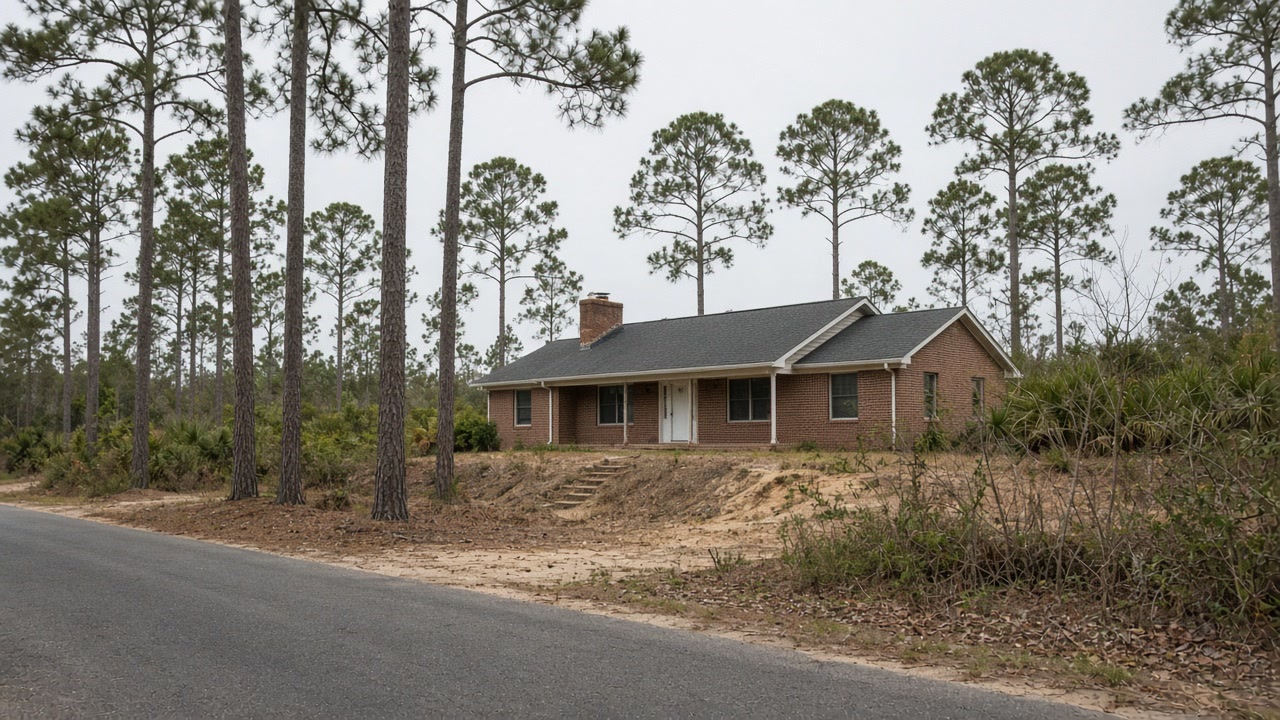
What water damage drying involves in Laplace

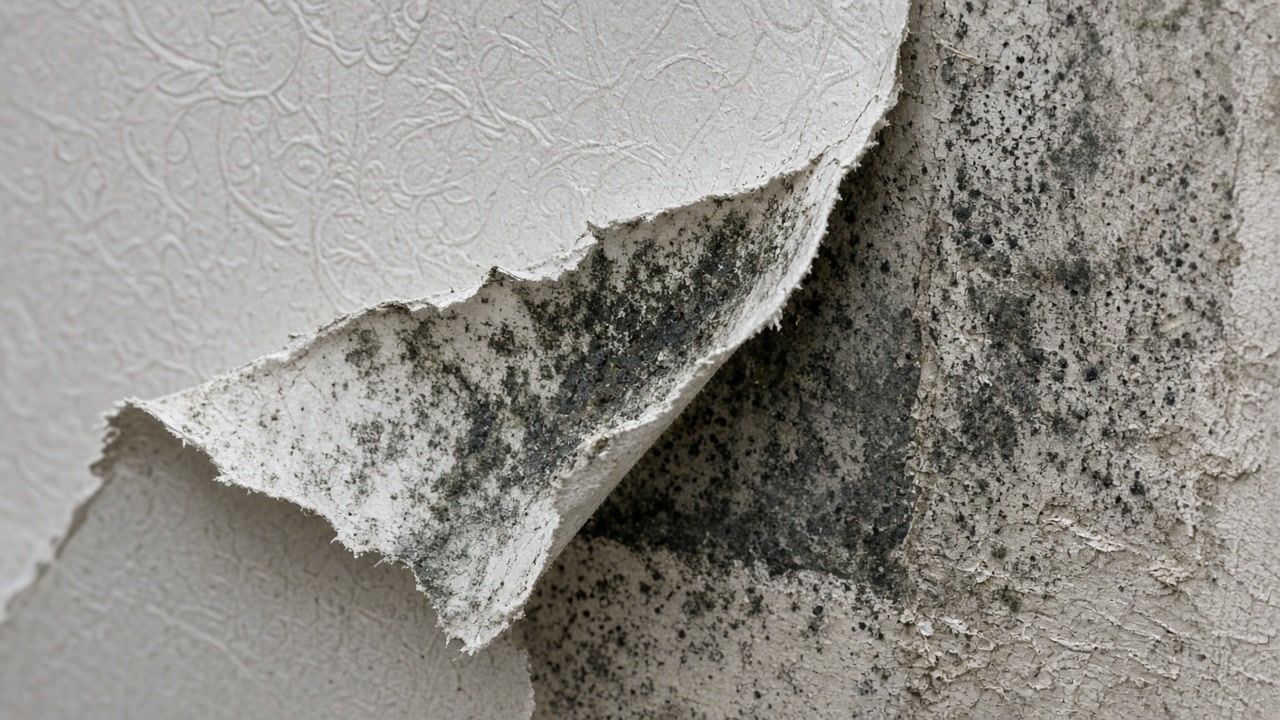
Laplace drying: power, discards and the space below
Keep the house closed and let dehumidifiers do the extraction. Move soaked carpet, pad and furniture out, photograph every wall and water line before anything goes, and ask for daily readings on the lower walls and floor edge. On a raised house or one of Laplace's 632 mobile homes, the space underneath has to be dried as well. More than a quarter of St. John the Baptist Parish is mapped as Barbary, a continuously saturated backswamp clay, so the ground around many houses will not dry the structure for you.
Whether it is safe to run the air conditioning
If the electrics and the unit were not flooded, running it helps. If they were, have them checked before switching on.
What has to leave the house first
Soaked carpet, pad, upholstered furniture and cardboard. Porous materials may have to be discarded once moldy, the EPA says.
Whether the space underneath got wet
Raised houses and mobile homes hold water below the floor. Ask for that space to be part of the drying plan.
Laplace's levee project, saturated soil and wet air
Laplace sits in St. John the Baptist Parish, outside the completed New Orleans area hurricane and storm damage risk reduction system, and is the western end of the West Shore Lake Pontchartrain project, which the state coastal authority records as still in construction on 11 separate reaches with completion given as 2030. Its repeat flooding record, 2,450 multiple loss properties with only 71 of them flooded four or more times, is a pattern of large single events rather than chronic drainage failure.
Source: Louisiana Coastal Protection and Restoration Authority, Annual Plan project record, accessed 2026-09-22
The state coastal authority's project record for West Shore Lake Pontchartrain describes approximately 18.5 miles of levees, floodwalls, drainage structures and pump stations extending from Garyville to LaPlace, to give 100-year storm surge protection to more than 60,000 residents in St. Charles, St. John the Baptist and St. James parishes, with construction ongoing on 11 separate reaches and completion recorded as 2030.
Source: Louisiana Coastal Protection and Restoration Authority, Annual Plan project record, accessed 2026-09-22
The EPA advises drying wet materials within 24 to 48 hours. In New Orleans the outdoor air in that window carries a mean dew point of 75.2F in July and 75.1F in August, with mean relative humidity of 88 percent at 6am, so outdoor air brought into a wet building in summer adds water rather than removing it.
Source: NOAA National Centers for Environmental Information, 2023 Local Climatological Data Annual Summary with Comparative Data, NEW ORLEANS, LOUISIANA (KMSY), WBAN 12916, accessed 2026-09-22
The USDA official series description for Barbary, which the soil survey maps across more than a quarter of St. John the Baptist Parish, describes a very poorly drained and ponded clay of low ponded backswamps, continuously saturated, with a water table ranging from one foot above the surface to half a foot below it continuously, flooding frequently or very frequently for long durations.
Source: United States Department of Agriculture, Natural Resources Conservation Service, Official Series Description, accessed 2026-09-22
The EPA states that wet or damp building materials and furnishings should be cleaned and dried within 24 to 48 hours to prevent mold growth, and that if wet or damp materials or areas are dried 24 to 48 hours after a leak or spill happens, in most cases mold will not grow.
Source: United States Environmental Protection Agency, accessed 2026-09-22
When did the water arrive, and how deep?
Give us the hour if you know it. The drying plan for a Laplace house is built around that clock.
Laplace survey and removal once it is dry
Laplace drying questions from the river parish
Why not open the windows and let the house air out?
Because in Laplace in summer the outside air is the wetter air. The EPA's 24 to 48 hour drying window falls in weather with a mean dew point of 75.2F in July and 88 percent relative humidity at 6am, so every open window imports water. Closed-house drying with dehumidifiers pulls water out of the air; fresh air puts it back.
Will the new levee project protect my Laplace house?
It is designed to give 100-year storm surge protection to more than 60,000 residents in St. Charles, St. John the Baptist and St. James parishes, and the state records construction ongoing on 11 reaches with completion given as 2030. Until then Laplace sits outside the completed system. For drying, the practical point is to be ready: know where your policy is and photograph the house as it is now, so there is a before to compare.
Send the Laplace rooms before anything moves
Photos of every wall and water line. A person reads them and arranges closed-house drying.