
Water Damage Drying in Westwego for Houses Built Before 1977
Drying for an older Westwego house that was built before any rule set its floor height, started quickly and read until the walls are dry.
Water Damage Drying quote in Westwego
Tell us what you can see or smell, roughly where in the house it is, and whether the house is raised or on a slab. Those three things narrow it more than the size of the patch does, because they point at how the water is arriving rather than where it ended up.
Would you rather talk it through? Call (315) 640-3590.
$100 off your first job
Credited by us on your first booked job.
- One credit per customer per property, on your first booked job.
- Valid through December 31, 2026.
Mention this offer when you book. Full terms.
Drying an older Westwego house inside the window
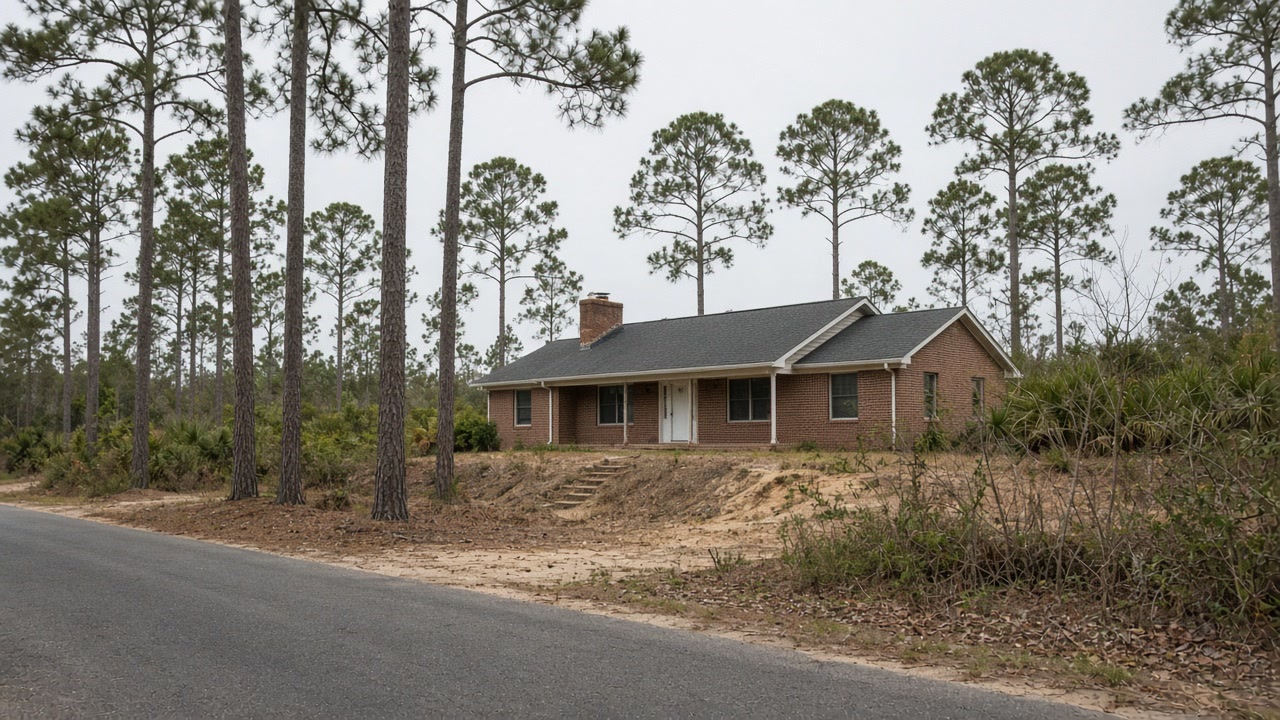
Most of the Westwego houses that flood were built before anyone set a floor height for them. 183 of the city's 209 repeat-loss properties, 88 percent, predate its first flood insurance rate map of December 28, 1976. When one of those takes water, the clock is the EPA's: dry wet materials within 24 to 48 hours and in most cases mold will not grow. Extraction first, then dehumidifiers with the house closed, then daily meter readings on the lower walls. The original assemblies here are predictable, which helps a crew know where water will have gone.
What water damage drying involves in Westwego

Westwego drying: source, spread and the paperwork
Tell the crew whether water came from outside or from a line, and whether it reached any space under the floor. Westwego's interior point is 1.66 feet above sea level, and 92 of its 209 repeat-loss properties, 44 percent, sit outside the mapped high risk zone, so a house off the map can still take water. Photograph everything before it moves, keep the windows shut while the equipment runs, and ask for the readings in writing when the crew leaves. They are the evidence that the job finished dry.
Where the water went
The rooms, the space under the floor, or both. Tell the crew every place you found it.
Clean or dirty
A supply line is clean at the start. Rain or floodwater from outside needs cleaning as well as drying.
Proof it finished dry
Ask for the final meter readings in writing. That page matters if the house is ever sold or claimed on.
Westwego's pre-1976 houses and off-map water
Westwego records 209 National Flood Insurance Program multiple loss properties, of which 183, 88 percent, predate the city's first flood insurance rate map of December 28, 1976, the latest first map date on the south shore. Only 17 have been mitigated.
Source: Federal Emergency Management Agency, OpenFEMA dataset NFIP Multiple Loss Properties, data as of August 2, 2026, accessed 2026-09-22
Westwego's Census Bureau interior point stands 1.66 feet above sea level under the USGS national elevation dataset.
Source: United States Geological Survey, The National Map, 3D Elevation Program Point Query Service, 1/3 arc-second elevation, accessed 2026-09-22
Across the West Bank a large share of repeat flooding happens outside the mapped high risk flood zone: 715 of Marrero's 1,928 multiple loss properties, 37 percent, 338 of Harvey's 794, 43 percent, 138 of River Ridge's 314, 44 percent, and 92 of Westwego's 209, 44 percent. In Terrytown the figure is 11 of 304, under 4 percent.
Source: Federal Emergency Management Agency, OpenFEMA dataset NFIP Multiple Loss Properties, data as of August 2, 2026, accessed 2026-09-22
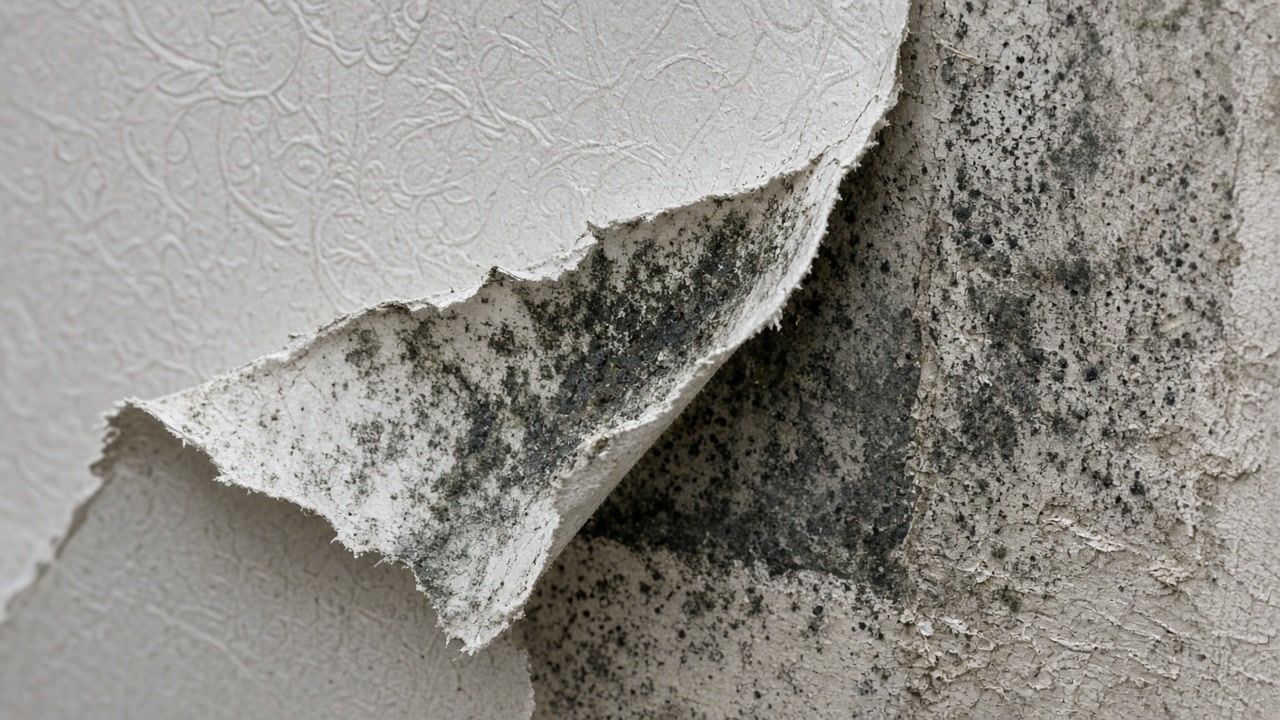
The EPA states that wet or damp building materials and furnishings should be cleaned and dried within 24 to 48 hours to prevent mold growth, and that if wet or damp materials or areas are dried 24 to 48 hours after a leak or spill happens, in most cases mold will not grow.
Source: United States Environmental Protection Agency, accessed 2026-09-22
Rooms only, or the whole ground floor?
Tell us every room the water reached. In an older Westwego house that decides where the equipment goes first.
Westwego survey and removal after drying
Westwego drying questions for older homes
Why does it matter that the house predates 1976?
Because before Westwego's first flood map took effect on December 28, 1976, no federal elevation rule applied to new houses here, and three quarters of the city's homes were built before 1980. An older floor may sit lower relative to the water than a newer one nearby, so the drying crew should check every room at floor level, not only the one where the water was seen.
The flood map says we are low risk. Why did water get in?
Because in Westwego the map misses a lot of what actually happens: 92 of the city's 209 repeat-loss properties, 44 percent, are outside the mapped high risk zone. The map models risk. It does not record what came under your door, and drying does not wait on it.
Send the Westwego rooms and the water height
Photos before anything moves. A person reads them and arranges drying.